
Advanced Search
Advanced Search
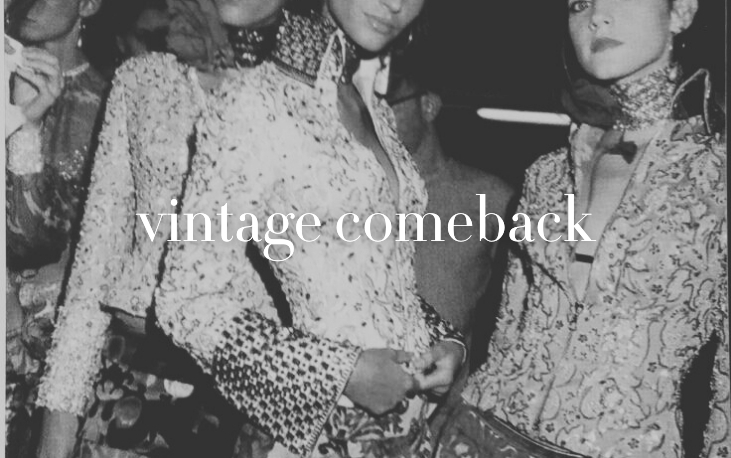
In an era hooked on what's next, fashion's most interesting dialogues are turning back to history. Handcrafted techniques are reclaiming attention, and archives have shifted from forgotten references to living sources of inspiration.
Fashion rarely moves in a straight line; it tends to spiral, revisiting the past while reworking it, keeping the essence of the future lens into account. This is why the future of fashion so often resembles the past.
Over the past few years, many luxury houses have been actively drawing inspiration from their archives. For instance, Dolce & Gabbana have even built entire runway shows using only their archives, treating history not as nostalgia, but as a design resource that doesn't need validation from trend cycles.
The Indicators of fashion's spiral nature can be seen in the history of polka dots. First used as a symbol of infection and uncleanliness in the 1700s, it has evolved over decades, making its way back into contemporary wardrobes of today, popularized again in 2025 with preppy polka dot co-ords and dresses.
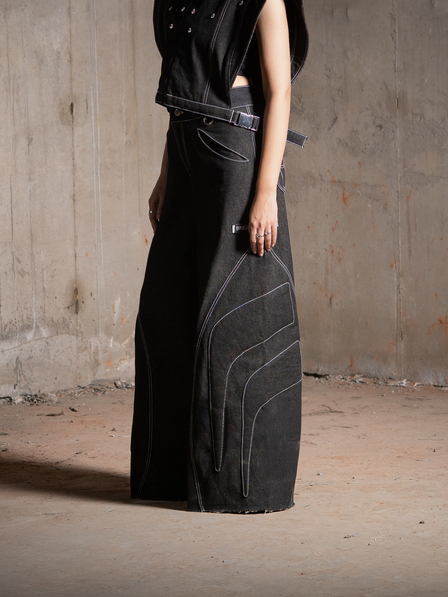
With the comeback of baggy and low-rise jeans, the silhouette has been refined and enhanced to align with the tastes of today's youth as a reminder that fashion revisits and reinvents what has already resonated.
This instinct to look back isn't limited to designers or runways. It's quietly reshaping everyday wardrobes, where familiar silhouettes and prints are being rediscovered, restyled, and worn with ease, not as throwbacks, but as pieces that still feel relevant today.
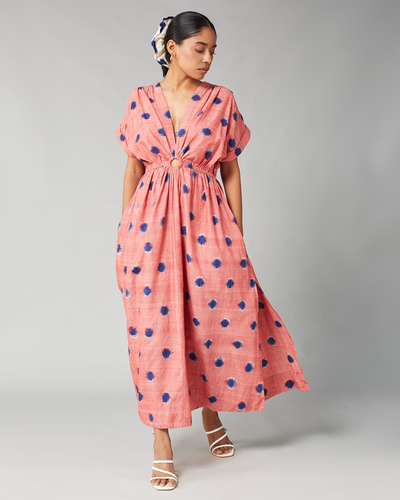
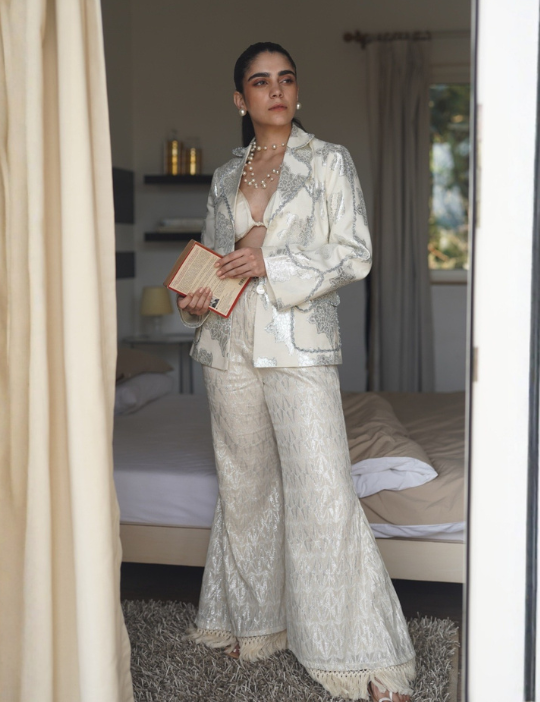
This practice of looking back isn't confined to luxury houses or runways. It's unfolding quietly at home, where instead of chasing micro-trends, people are reaching into their mothers' closets, rediscovering silk saris, old blouses, and inherited jewellery. These pieces aren't being worn ironically; they're being worn because they've already survived multiple fashion eras.
It is important to understand that the resurgence of past trends is not a repetition. Polka dots today feel bolder and are reintroduced with cleaner silhouettes. Jeans from the early 2000s are back with better fits, inclusive sizes, and a sense of individuality. This spiral movement of fashion and trends allows designers and wearers to build on the past with their own innovations while restoring what's important in history.
The past is barely a limitation, but a reference point to enhance the design and give it a new look with a touch of nostalgia. When fashion slows down, memory becomes useful. The same logic that drives a luxury brand to revisit its archives also leads someone to rediscover what's been hanging at home all along.
At the Chic Indian, we believe that looking back is not about living in the past. It is about understanding, owning, and reinventing it to move forward.
In an era hooked on what's next, fashion's most interesting dialogues are turning back to history. Handcrafted techniques are reclaiming attention, and archives have shifted from forgotten references to living sources of inspiration.
Fashion rarely moves in a straight line; it tends to spiral, revisiting the past while reworking it, keeping the essence of the future lens into account. This is why the future of fashion so often resembles the past.
Over the past few years, many luxury houses have been actively drawing inspiration from their archives. For instance, Dolce & Gabbana have even built entire runway shows using only their archives, treating history not as nostalgia, but as a design resource that doesn't need validation from trend cycles.
The Indicators of fashion's spiral nature can be seen in the history of polka dots. First used as a symbol of infection and uncleanliness in the 1700s, it has evolved over decades, making its way back into contemporary wardrobes of today, popularized again in 2025 with preppy polka dot co-ords and dresses.
With the comeback of baggy and low-rise jeans, the silhouette has been refined and enhanced to align with the tastes of today's youth as a reminder that fashion revisits and reinvents what has already resonated.
This instinct to look back isn't limited to designers or runways. It's quietly reshaping everyday wardrobes, where familiar silhouettes and prints are being rediscovered, restyled, and worn with ease, not as throwbacks, but as pieces that still feel relevant today.
This practice of looking back isn't confined to luxury houses or runways. It's unfolding quietly at home, where instead of chasing micro-trends, people are reaching into their mothers' closets, rediscovering silk saris, old blouses, and inherited jewellery. These pieces aren't being worn ironically; they're being worn because they've already survived multiple fashion eras.
It is important to understand that the resurgence of past trends is not a repetition. Polka dots today feel bolder and are reintroduced with cleaner silhouettes. Jeans from the early 2000s are back with better fits, inclusive sizes, and a sense of individuality. This spiral movement of fashion and trends allows designers and wearers to build on the past with their own innovations while restoring what's important in history.
The past is barely a limitation, but a reference point to enhance the design and give it a new look with a touch of nostalgia. When fashion slows down, memory becomes useful. The same logic that drives a luxury brand to revisit its archives also leads someone to rediscover what's been hanging at home all along.
At the Chic Indian, we believe that looking back is not about living in the past. It is about understanding, owning, and reinventing it to move forward.
Unlock our reward based ACCESS PRICE system that creates enduring value for chic members and labels.
Just by signing up, you get upto 20% off on every purchase, across the site, at all times - spot the Access Price next to MRP on every product.
Access other perks from collaborations, styling services and more.
Unlock our reward based ACCESS PRICE system.
Get upto 20% off on every purchase - spot the Access Price next to MRP.
.png?v=1776005936)

.png?v=1776005936)


